


One More Day. One More Badge.
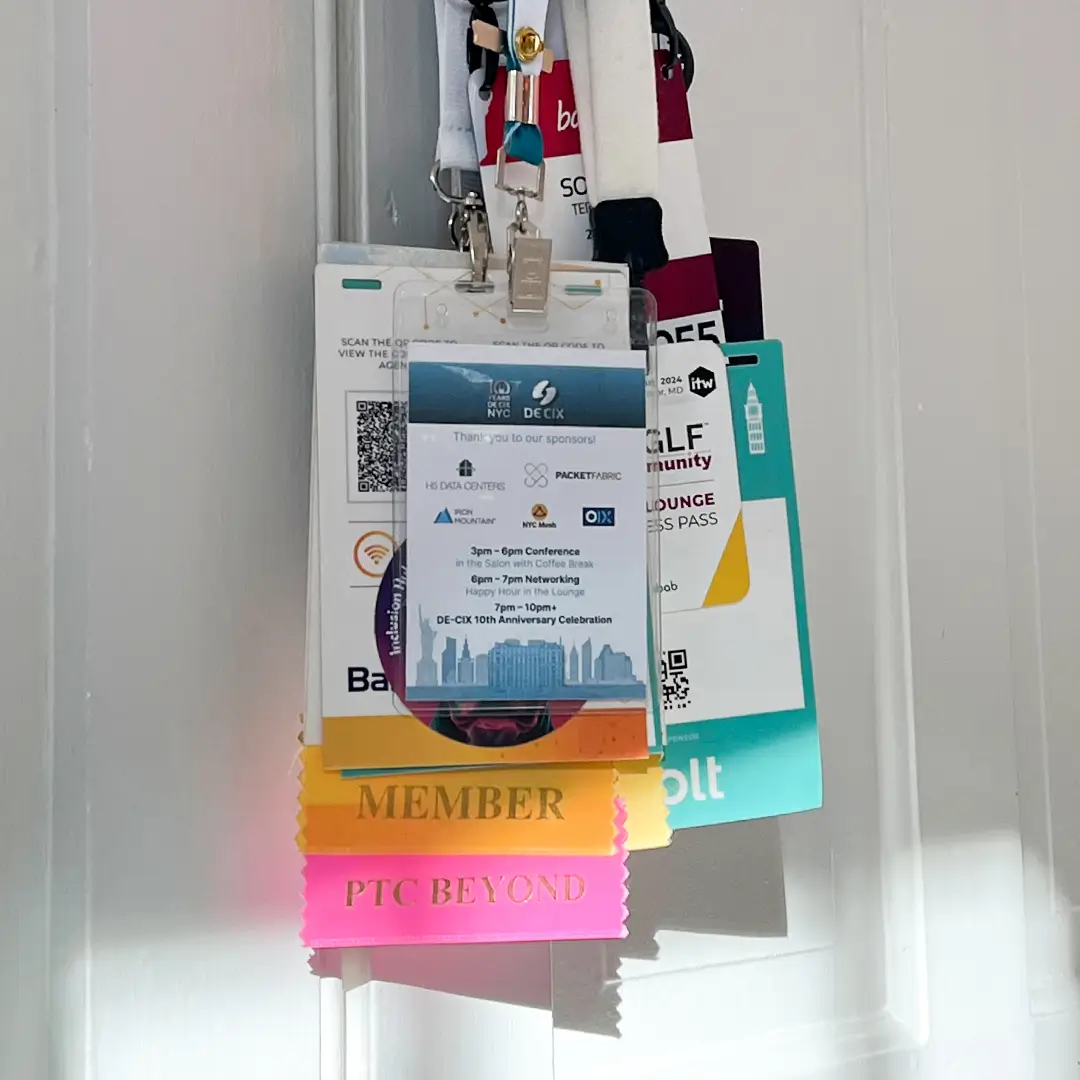
Week 3, and 2026 is full on.
Another conference. Another lanyard. Another tote bag filled with branded anxiety.
Industry events are the original social networks. They predate LinkedIn, Slack, and whatever AI-powered CRM promises to “surface insights”—while quietly selling your data. The question isn’t whether events matter. They do. The question is whether this version of them still does.
Here’s the uncomfortable truth: most conferences are value-negative. Thousands of smart people fly across the world to hear ideas they could’ve read six months ago, delivered by panels optimized for inoffensiveness. We’ve turned convening into content theater. Applause replaces action. Badges replace outcomes.
And yet, events endure. Why?
Because humans are still analog creatures living in a digital economy. Trust is still built face-to-face. Deals still happen in hallways, not ballrooms. Careers still bend over dinner, not in chat threads. The highest ROI moment at most conferences isn’t the keynote. It’s the accidental conversation you didn’t plan for.
Events matter because proximity compresses time. Five days of meetings can replace five months of email. Shared physical experience creates social capital. And social capital remains the most underpriced asset in business.
But here’s where events can fail: they don’t evolved at the pace of the industries they serve.
Most conferences are designed like media companies, not marketplaces. Broadcast over interaction. Scale over specificity. They reward attendance, not engagement. Success is measured in registrations, not relationships formed, deals closed, or ideas operationalized.
If events want to remain relevant, they need to do three things.
First, move from content to context. Speakers are everywhere. Insight is abundant. What’s scarce is relevance. Events should be ruthless about who is in the room and why. Smaller, more curated audiences. Fewer stages. More friction. If everyone can attend, no one feels accountable.
Second, re-engineer the experience around outcomes. Matchmaking shouldn’t be a parallel track or networking afterthought. It actually is the product. AI should be used not to recommend another panel, but to orchestrate meaningful collisions: buyers with sellers, operators with peers, founders with capital. Every badge should come with a reason you’re there and a clear path to value.
Third, the future isn’t hybrid events; it’s layered ones. The physical event becomes the trust engine. The digital layer extends its life, before, during, and after. Persistent communities. Follow-on working sessions. Data that tracks what actually mattered once the lights went down.
Technology shouldn’t make events louder. It should make them sharper. The best events of the future will feel less like festivals and more like accelerators. Less spectacle, more substance. Less FOMO, more ROI.
So yes. One more badge matters. But only if it stands for something more than attendance. Otherwise, it’s just plastic proof you were busy, not effective.